
I Was Late to the Party: The Forty-Year Journey Behind Chapman's
I Was Late to the Party: The Forty-Year Journey Behind Chapman's
In April 2026, Chapman's Food & Spirits celebrated its 10th anniversary.
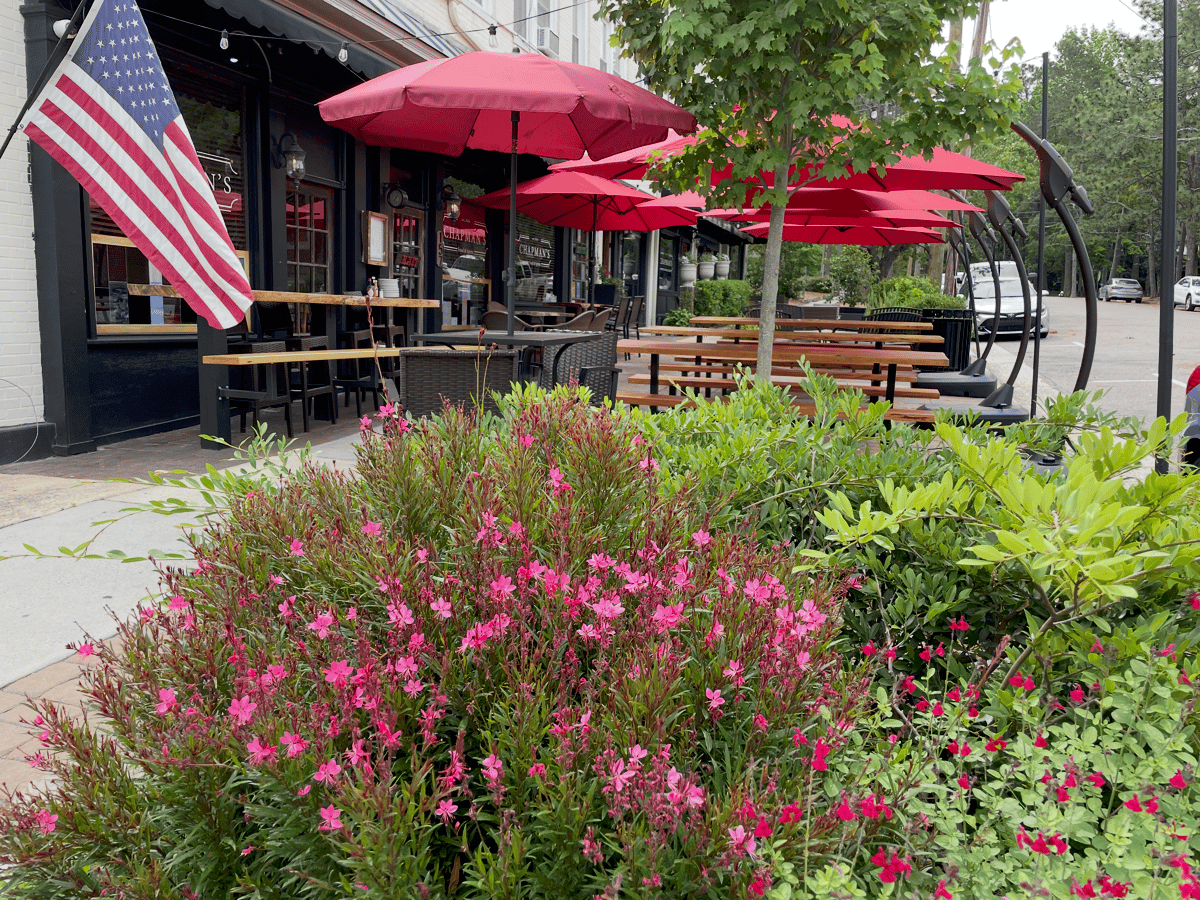
Ten years.
When people walk through our doors today, they see a busy restaurant, a successful business, and a brand that has become part of the fabric of Southern Pines. What they don't see are the decades of experiences, failures, lessons, relationships, sacrifices, and determination that made it possible.
The truth is, I was late to the party.
I wasn't a young entrepreneur with a business degree and a perfectly mapped-out plan. I wasn't one of those people who knew exactly what they wanted to do at twenty-five. Like many people, I spent years simply trying to make a living, raise a family, pay bills, and figure life out.
My journey started in food service as a busgirl. Over the years I worked countless positions, both in food service and outside of it. Some jobs I loved. Others simply paid the bills. Looking back, every single one of them taught me something valuable. I learned early that education doesn't only happen in a classroom. Some of my greatest lessons came from watching people, solving problems, asking questions, making mistakes, and figuring things out as I went. Long before YouTube tutorials and social media influencers existed, I was teaching myself accounting, researching business concepts online, learning from strangers willing to share their experiences, and collecting skills one lesson at a time.
What many people don't know is that Chapman's wasn't my first attempt at restaurant ownership.
In 1990, at twenty-five years old and raising an infant, I opened my first restaurant just a few blocks from where Chapman's stands today. The failure was quick. The failure was brutal. At the time, I thought hard work was enough.
It wasn't.
I knew food service. I knew hospitality. I knew how to take care of guests. What I didn't know was how to run a business. I didn't understand accounting, labor management, purchasing, menu engineering, cash flow, marketing, or the hundreds of decisions required to keep a business healthy. Passion alone wasn't enough. The experience humbled me, but it also planted a seed.
Over the next two decades, I continued learning. Every job, every challenge, every mistake, every success, and every person I met became part of my education.
Then came one of the most important opportunities of my life: a position with Sysco Raleigh.
Getting hired wasn't easy. Before Sysco, I spent time in inside sales with House of Raeford. It wasn't glamorous, but it gave me something important—professional sales experience on paper. Combined with decades of food service experience, it gave me a chance.
I had also become highly proficient at building resumes and learning how to connect my experiences with what employers were looking for. Not by exaggerating or stretching the truth, but by learning how to tell my story. I also had another advantage: relationships.
I have lived in Moore County since 1977. Through years of working in some of the area's busiest restaurants, I knew people. Restaurant owners, managers, attorneys, physicians, bankers, car dealers, real estate professionals, and community leaders. Looking back, I was at the right place at the right time. My connections may have helped get me in the door. What happened next was up to me.
Once I was hired, I worked relentlessly. I learned every detail Sysco was willing to teach. Sales. Operations. Menu development. Profitability. Purchasing. Inventory control. Marketing. Restaurant management.
I wasn't interested in simply selling food. I wanted to understand what made restaurants succeed.
I ate in the restaurants I wanted to sell to. I studied menus. I paid attention to cleanliness. I looked at curb appeal. I observed ticket times. I studied customer interactions. I watched how managers led teams. I evaluated menu design, pricing strategies, food presentation, operational efficiency, and guest experience.
I learned just as much from struggling restaurants as I did from successful ones.
My goal was never to become a salesperson. My goal was to become a resource. A partner. Someone restaurant owners could trust. If I saw opportunities to improve profitability, menu presentation, guest experience, operational efficiency, staff training, or marketing, I shared them.
For ten years I had a front-row seat to hundreds of restaurant operations. I watched owners succeed. I watched owners fail. I saw brilliant ideas and costly mistakes. Looking back, I wasn't simply selling food—I was earning a master's degree in restaurant operations.
Then, in 2011, I met a chef named Pete.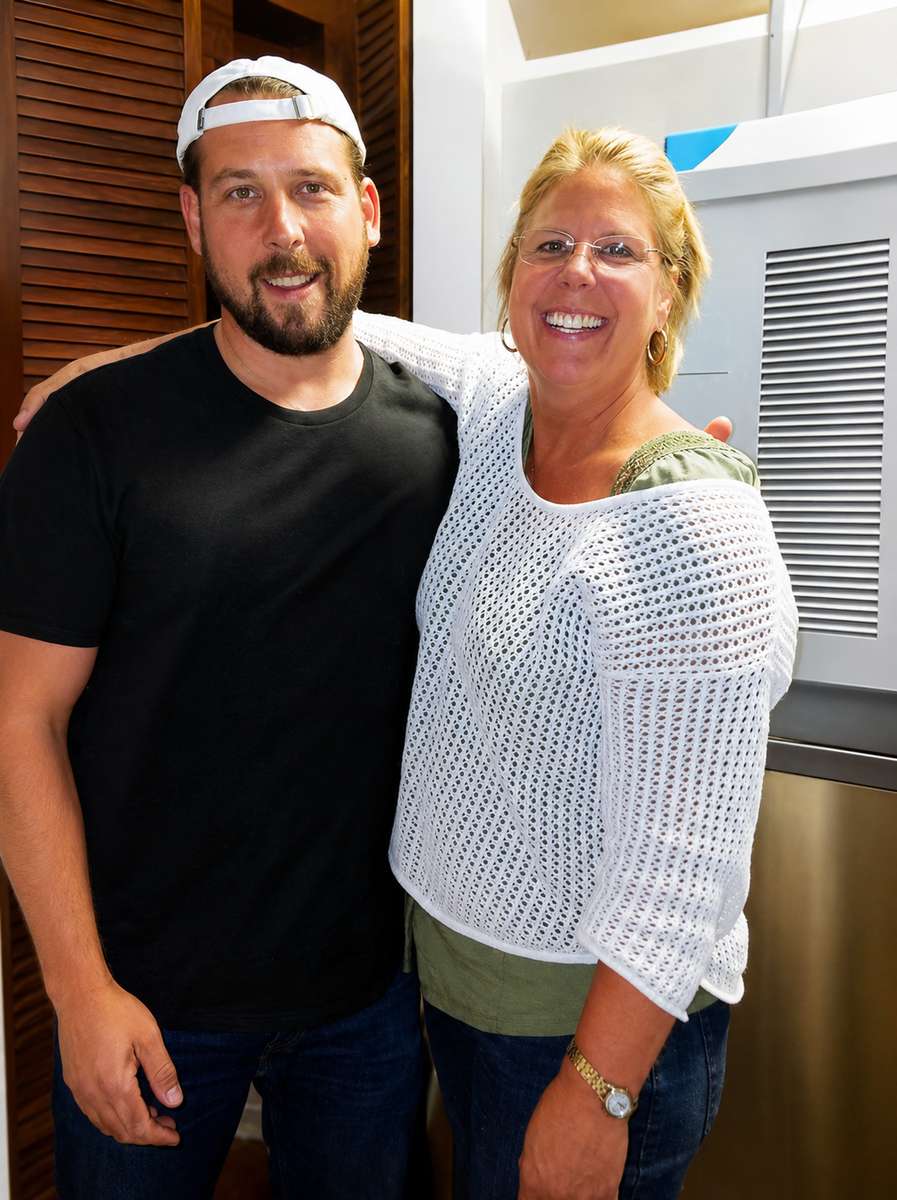
At the time, Pete was interviewing for an Executive Chef position at a new steakhouse opening in Moore County. We connected immediately. Pete got the job, and I earned 100 percent of the business. Every competitor wanted that account. I earned it through trust, consistency, service, and relationship building.
Over time, our professional relationship evolved into a friendship built on mutual respect.
What impressed me most about Pete wasn't simply his culinary talent. It was his business sense.
Unlike many chefs, Pete understood profitability. He understood menu engineering. He understood guest behavior. He understood what guests would order once and what they would order repeatedly. He knew how to balance creativity with practicality. He understood that restaurants don't survive because food is great. Restaurants survive when great food and great business decisions work together.
Over the years, Pete continued doing what he does best—developing concepts, building restaurants, and creating memorable guest experiences. Eventually he left Moore County for Eleuthera, Bahamas, where he helped develop and operate the food and beverage programs at 1648 at French Leave Resort.
Years later, as Marriott was in the process of acquiring the property, Pete reached back out to me.
At the same time, an opportunity was sitting empty at 157 East New Hampshire Avenue. A failed restaurant concept. The equipment was there. The tables and chairs were there. The infrastructure was there. The location was there. The concept had failed, but the bones were good.
As I began developing a conservative business plan, I couldn't stop thinking about Pete.
By then he had a young daughter. I remembered exactly what it felt like trying to build a business while raising a child. I remembered the sacrifices. I remembered the stress. I remembered how easily family can become secondary when a startup consumes every ounce of your energy.
So I told him my story.
I told him about my first restaurant. I told him about my mistakes. I told him about the lessons I learned the hard way.
Then I suggested something different.
A partnership.
His expertise was the back of the house. Mine was the front of the house—accounting, operations, sales, marketing, financial management, and guest experience. Separately we were strong.
Together we could be stronger.
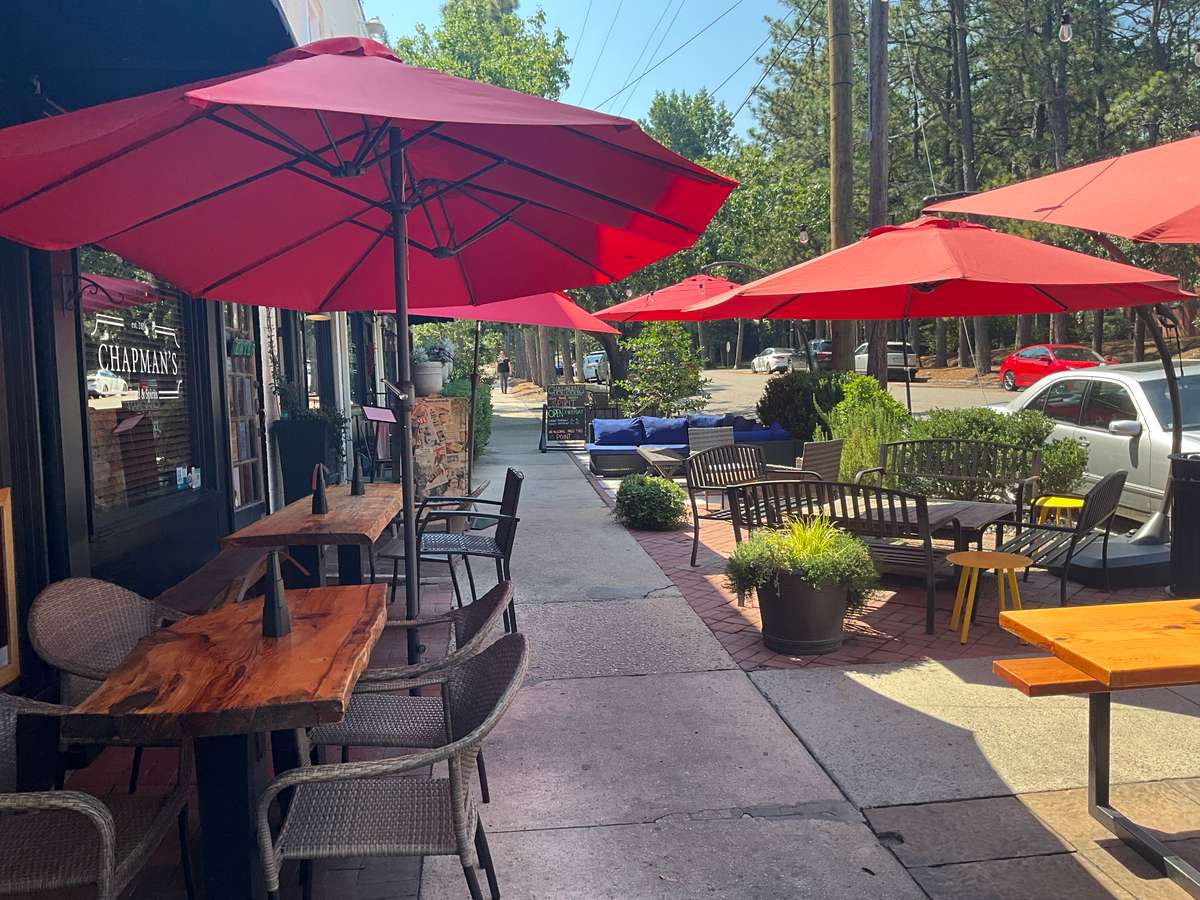
What emerged wasn't simply a restaurant. It was the culmination of decades of experiences, lessons, relationships, failures, successes, and a shared vision.
When I made the decision to leave a six-figure career with benefits at age fifty to pursue the opportunity, many people thought I was crazy.
Maybe they were right. Starting a restaurant from scratch is one of the hardest things I've ever done. There have been victories and disappointments. Staffing challenges and financial pressures. Sleepless nights and difficult decisions. Moments of doubt. Moments of fear. Moments when quitting would have been easier.
But there have also been extraordinary rewards.
Guests who became friends.
Employees who became family.
Relationships that continue to grow.
And the privilege of building something that became part of this community.
What many people see as a ten-year success story was actually forty years in the making.
Every job mattered.
Every relationship mattered.
Every lesson mattered.
Every failure mattered.
Especially the one that happened when I was twenty-five.
If there's one lesson I hope someone takes away from my story, it's this:
You are not behind.
Not everyone finds their purpose at twenty.
Not everyone has life figured out at thirty.
And frankly, I think most of us are still figuring things out well into our forties and fifties.
Working a job that pays the bills isn't failure.
Starting over isn't failure.
Changing careers isn't failure.
Failing isn't failure if you're willing to learn from it.
Sometimes your opportunity arrives long after everyone thinks it should.
Sometimes your purpose doesn't reveal itself until you've spent decades preparing for it.
Sometimes life simply presents you with a chance and asks one question:
Are you willing to bet on yourself?
When that moment comes, you don't need every answer. You don't need a perfect plan. You don't need permission from anyone else. You simply need the courage to take the next step.
People often tell me Chapman's is a ten-year success story. I usually smile.
Because the truth is, Chapman's wasn't ten years in the making. It was closer to forty.
And if you're still searching for your next chapter, don't give up. Your story may just be getting started.